buy glass packaging today
The Craft of Glass Packaging: Transforming Your Brand Using Sustainable Glass Bottles
The science of glass packaging presents brands with a unique avenue for differentiation. Via eco-friendly approaches, glass bottles elevate brand aesthetics and connect with sustainability-minded shoppers. Their intrinsic properties, encompassing recyclability and material safety, reflect a dedication to quality standards. As organizations traverse this shifting terrain, understanding the multifaceted benefits and challenges of glass packaging becomes essential for long-term success. How are brands leveraging creative approaches to capitalize on these benefits?
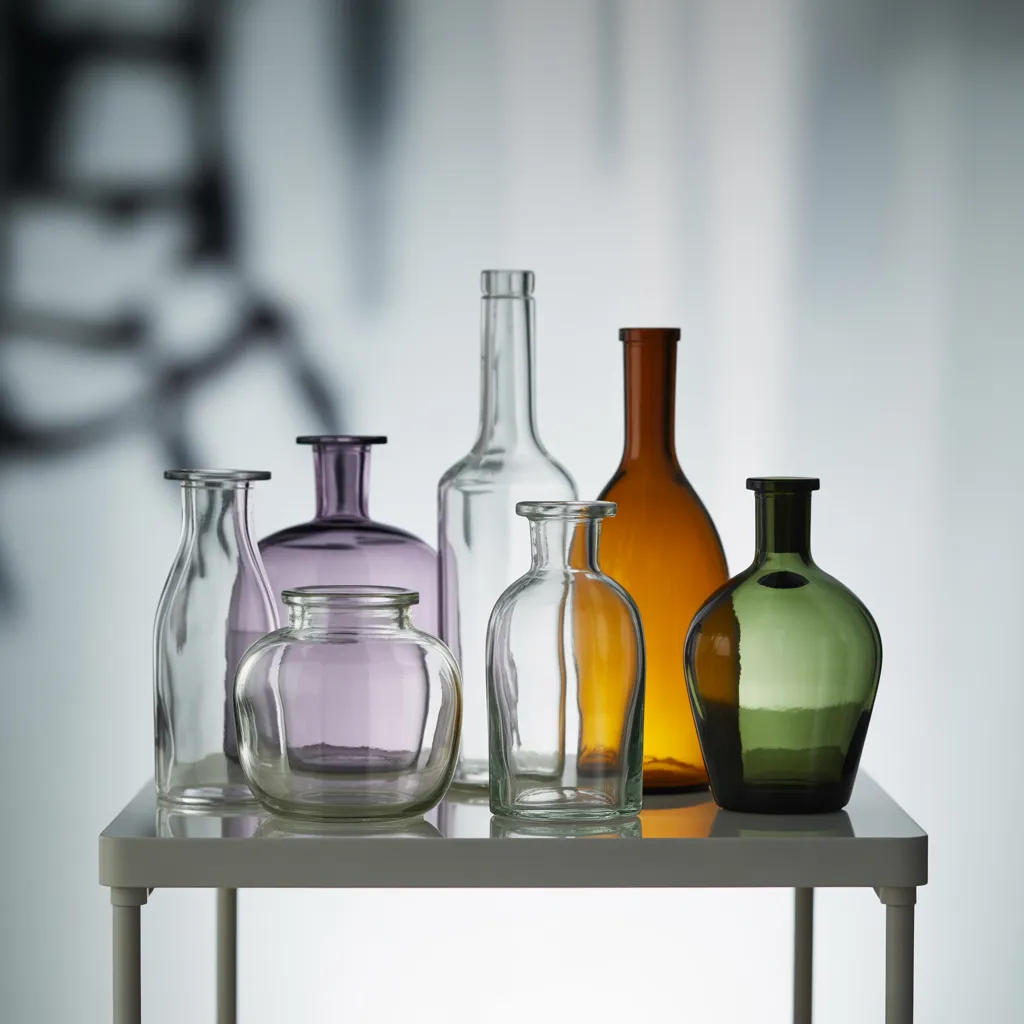
Why Choose Glass Packaging for Your Brand
Choosing glass packaging can considerably elevate a brand's reputation and environmental initiatives. Companies that choose glass packaging demonstrate a dedication to excellence and high-end consumer experiences, attracting selective buyers who value both visual and practical qualities. Glass delivers a enduring and sophisticated look, enhancing a brand's recognizable image while delivering a physical interaction that plastic cannot match.
Furthermore, glass containers project an image of freshness and protection, as it is free from toxic substances commonly present in plastic materials. This selection can engage sustainability-minded buyers who associate glass with responsible practices. Furthermore, its robust construction supports reuse, additionally affirming a brand's devotion to sustainable principles.
In a marketplace increasingly focused on sustainability, embracing glass packaging solutions can differentiate a brand fostering loyalty and enhancing consumer trust. At its core, this deliberate decision places brands at the forefront of quality and environmental responsibility, aligning with contemporary consumer expectations.
The Eco-Friendly Advantages of Glass Bottles
Glass bottles offer substantial environmental benefits that differentiate them from competing packaging solutions. They are 100% recyclable, supporting a sustainable economy where materials can be reused indefinitely without compromising quality. This property considerably decreases the need for raw materials, thereby minimizing resource extraction and energy consumption associated with production.
Moreover, glass packaging is non-reactive, meaning it does not seep dangerous compounds into its products, ensuring safer consumption. Unlike plastic, glass does not add to microplastic pollution, which is a rising environmental issue.
The production of glass bottles similarly results in fewer greenhouse gas emissions when compared to plastic. Thanks to innovations in manufacturing processes, energy efficiency has improved, thereby reducing the environmental impact associated with producing glass.
Unique Designs That Transform Glass Packaging
Innovative patterns in glass vessels are reshaping how consumers view products. Unique shapes and structures not only enhance functionality but also draw shopper focus. Furthermore, vibrant color schemes further boost the overall appearance, making glass packaging distinguish themselves in retail spaces.
Distinctive Shapes and Structures
Revolutionary designs in glass packaging not only improve visual attractiveness but also play an essential role in establishing brand uniqueness. Unique shapes and structures can craft remarkable experiences for buyers, helping products distinguish themselves on busy retail displays. As an example, asymmetrical bottles or geometric designs can spark interest and invite engagement. These unique configurations often reflect a brand's personality, solidifying its brand narrative and ideals. Furthermore, distinct shapes can improve functionality, such as easier handling or enhanced pouring. Brands that invest in creative glass designs convey a devotion to craftsmanship and eco-consciousness, attracting environmentally conscious consumers. Through emphasizing creativity in their packaging choices, organizations can develop more profound ties with their target market, in turn promoting long-term loyalty and broadening their market reach.
Visually Striking Color Palettes
Vibrant color palettes play an essential role in enhancing glass packaging, turning everyday bottles into striking visual declarations. By employing a strategic blend of hues, businesses can inspire sentiment and deliver unforgettable moments for buyers. Vivid hues can communicate exceptional value, while softer tones may convey delicacy and sophistication.
Moreover, the application of gradients and multi-toned designs adds depth and intrigue, commanding attention on competitive shelves. Sustainable practices further enhance the appeal; eco-friendly dyes and finishes resonate with conscious consumers. Ultimately, the perfect color palette not only embodies a brand's character but also strengthens its dedication to sustainability, positioning glass packaging as a compelling differentiator in a competitive marketplace.
How Does Glass Packaging Enhance Product Perception?
Glass packaging notably improves the perception of products via its upscale feel and visual appeal, evoking a feeling of luxury among consumers. The natural clarity and see-through quality of glass offer consumers an unrestricted look at the product, strengthening the perception of quality. Additionally, using glass aligns with eco-friendly brand positioning, attracting consumers who prioritize environmental responsibility.
Superior Feel And Appeal
The incorporation of glass packaging considerably boosts the apparent worth of a product, often associating it with quality and sophistication. Consumers frequently associate glass with luxury, resulting in improved brand commitment and rewarding buyer experiences. The sensory quality of glass, with its sleek finish and substance, contributes to a luxurious sensation that plastic is unable to match. This tactile interaction establishes a bond between the product and the consumer, nurturing an impression of excellence. Additionally, glass packaging reflects a focus on sustainability, appealing to sustainability-minded customers. Therefore, companies using glass packaging can present themselves as superior choices within their markets, appealing to thoughtful consumers who prioritize both visual appeal and responsible practices in their buying choices.
Visual Transparency And Clarity
When consumers encounter products in glass packaging, their impression is frequently elevated by the intrinsic visual see-through quality it delivers. This transparency allows potential buyers to see the product inside, creating an atmosphere of reliability and credibility. The see-through nature of glass not only reveals the product's caliber but also accentuates its color and feel, enhancing visual appeal. Additionally, the absence of labeling distractions on clear glass allows the product to take center stage, generating a more immersive purchasing journey. Glass packaging can elevate brand perception by conveying a commitment to quality and craftsmanship. This transparency ultimately shapes buyer choices, encouraging a deeper emotional connection with the product and the brand.
Environmentally Conscious Brand Positioning
Environmentally aware brands utilize glass packaging to reinforce their commitment to sustainability, effectively enhancing product perception. Glass communicates an impression of quality and refinement, defining a loftier benchmark when measured against plastic counterparts. This medium not only highlights the environmental principles of a brand but also appeals to consumers who prioritize environmentally responsible choices. The sensory quality of glass—its density and surface—further amplifies the perceived premium nature of the product. Moreover, the ability to recycle glass resonates with the rising consumer expectation for eco-friendly practices, strengthening consumer allegiance. By selecting glass, brands not only highlight their devotion to environmental stewardship but also position their products as premium offerings, consequently developing a distinguished presence in a competitive industry.
Examples of Brands Thriving With Glass Packaging
Numerous brands are thriving by transitioning to glass packaging, highlighting its attractiveness to buyers and pledge to sustainable practices. For instance, a prominent beverage company shifted to glass bottles, resulting in a 30% increase in sales within a year. The switch not only improved product visibility on shelves but also appealed to eco-conscious consumers, solidifying the brand's sustainability message.
One other beauty label successfully changed to glass containers, significantly enhancing its luxury brand perception. This change drew in a dedicated clientele that values both aesthetics and environmental responsibility. Moreover, a craft beer producer embraced reusable glass containers, cultivating consumer trust and decreasing environmental impact. These examples demonstrate that glass packaging not only meets customer expectations for sustainable options but also strengthens brand identity and market positioning. Such thoughtful selections highlight an emerging pattern among businesses striving to incorporate green principles into their strategies while resonating with contemporary buyers.
Ways to Address Challenges in Glass Packaging
Managing the complexities of glass packaging demands innovative strategies and a deep understanding of the market. Businesses often face challenges such as costly production processes, weight-related challenges, and structural vulnerability. To tackle these, organizations can adopt innovative fabrication processes that lower waste output and boost structural resilience. Collaborating with suppliers to obtain environmentally responsible materials also minimizes ecological footprint while resonating with sustainability-minded consumers.
A further difficulty concerns the complexities of shipping, useful guide considering the substantial weight of glass. Implementing smart logistics solutions, encompassing improved shipping methods and efficient packaging solutions, may lower costs and secure product integrity throughout shipping. Furthermore, educating consumers on the benefits of glass over plastic may cultivate customer loyalty and boost market demand. By implementing these methods, businesses can overcome obstacles in glass packaging and distinguish themselves as innovators in eco-friendly practices, thereby strengthening their brand reputation and market standing.
Future Trends in Sustainable Glass Packaging
As the demand for sustainable packaging continues to rise, the glass packaging industry is set for remarkable evolution. Breakthroughs in manufacturing techniques are projected to boost energy efficiency, minimizing the carbon emissions tied to glass production. Additionally, the adoption of lightweight glass bottles will emerge as a key trend, lowering transit emissions while upholding product standards.
Recycling efforts will continue to strengthen, with enhanced partnerships between producers and local governments to enhance the collection and processing of glass. Moreover, the integration of smart technology into packaging will enable enhanced visibility across the supply chain, empowering companies to highlight their environmental commitments with impact.
The rising consumer appetite for environmentally conscious products will continue to fuel the growth of tailored, visually appealing designs, blending practicality with aesthetic charm. As companies increasingly embrace sustainable practices, the glass packaging industry is poised to transform its strategies, aligning with broader environmental goals and meeting the expectations of a conscientious consumer base.
Common Questions and Answers
What Are the Costs Involved With Glass Packaging as Opposed to Plastic?
Glass-based packaging typically carries higher costs owing to production, distribution, and recycling demands when compared to plastic alternatives. However, it delivers environmental advantages and improved brand image, which can justify the investment for some businesses.
What Are My Options for Customizing Glass Bottles for My Brand?
Businesses have the ability to tailor glass containers by using distinctive shapes, hues, and textures. Printed designs, engravings, and labels strengthen brand image. Collaborating with suppliers guarantees adherence to environmental objectives while maintaining aesthetic appeal and functionality.
Are There Particular Rules Governing Glass Packaging?
Indeed, particular regulations for glass packaging are in place, distinct to each region. These cover safety standards, labeling requirements, and recycling guidelines, guaranteeing consumer safety and environmental responsibility while promoting sustainable practices in packaging manufacturing and distribution.
What Are the Top Best Practices for Recycling Glass Bottles?
When recycling glass bottles properly, individuals should wash them thoroughly to clear out any remaining contents, detach any lids or caps, and organize them according to color. In addition, they should review community recycling rules for designated drop-off sites to make certain they are processed appropriately.
How Does Glass Packaging Impact Shipping and Logistics?
Glass packaging significantly impacts shipping operations and logistics by increasing weight and fragility, demanding meticulous handling and dedicated transportation methods. This may result in elevated costs and more intricate supply chain management compared to lighter, more durable materials.